



Travelers often expect borders to change languages, food, or customs. What catches many people off guard is something far more basic: plugging in a device. When one country needs a European plug adapter, another requires a UK travel adapter, and a stopover might suddenly turn into a search for a US to UK plug adapter, the confusion is not accidental.
Electrical systems developed long before international travel was common, and no one ever pressed pause to agree on a single standard. Despite this fragmented reality, modern travel does not have to be complicated. There are existing products that help travelers, like a travel plug adapter (universal) or a worldwide travel adapter that works across borders, such as those from Ceptics.
How Global Electrical Systems Originally Developed
Electricity spread country by country, not as a coordinated global effort. Early power systems were built locally, often by private companies experimenting with different voltages, frequencies, and plug designs. And because communication between regions was limited, there was very little incentive for anyone to align their standards with neighboring countries.
As national grids grew, each region doubled down on its own specific approach. Some prioritized compact plugs, others focused on durability or grounding. Over time, these choices became deeply part of their infrastructure.
The Impact of Voltage and Frequency Differences

Voltage plays a major role in plug design. The long-standing divide between 110 vs 220 outlet systems shaped not only how electricity is delivered but how devices are protected. Countries running on 220–240 volts required stronger insulation and different safety mechanisms, which influenced plug size and pin configuration.
Frequency differences added another layer of complexity. Once homes, appliances, and power stations were built around a specific standard, changing it became expensive and disruptive. These technical realities remain one of the biggest barriers to a unified global plug.
Politics, Patents, and Regional Influence
Technology doesn’t just evolve on its own. It’s a mix of national pride, industrial competition, and patent ownership that ended up locking different parts of the world into their own unique electrical standards. Once a country poured money into manufacturing its own specific plugs, outlets, and appliances, the cost of switching to match its neighbors became an economic nightmare.
And when they sent appliances and factory gear abroad, they reinforced their own regional dominance rather than trying to fit into a global "one-size-fits-all" model. Over the decades, this created the messy system we have today.
Safety Standards and Infrastructure Limitations
Safety concerns add another layer to why we don't have a universal standard. The differences you see between grounded outlets vs ungrounded ones reflect how various regions historically chose to handle electrical risks. While some countries put their faith in grounding pins to prevent shocks, others focused on heavy insulation or deeply recessed sockets to keep fingers away from live wires.
Why a Universal Plug Is Still Unlikely
To unify electric plugs worldwide, governments, manufacturers, and utilities have to move together to decide on a single plug. Financial investment alone would be massive.
Trying to fix this now would mean rewiring millions of buildings, upgrading circuit protection systems, and retraining every electrician in the country. The sheer cost and daily disruption involved make a global reset feel pretty unrealistic, even if everyone could finally agree on a single perfect design.
What This Means for Modern Travelers
For travelers, this variation means preparation matters. Knowing the plug type at your destination can prevent dead devices and last-minute purchases. Europe calls for a European plug adapter, the UK needs its own, and North America differs again.
Carrying a travel plug adapter universal model has become a must have travel gear, especially for multi-country trips. These adapters allow one charger to work across regions without guessing.
How Ceptics Makes Global Charging Easier

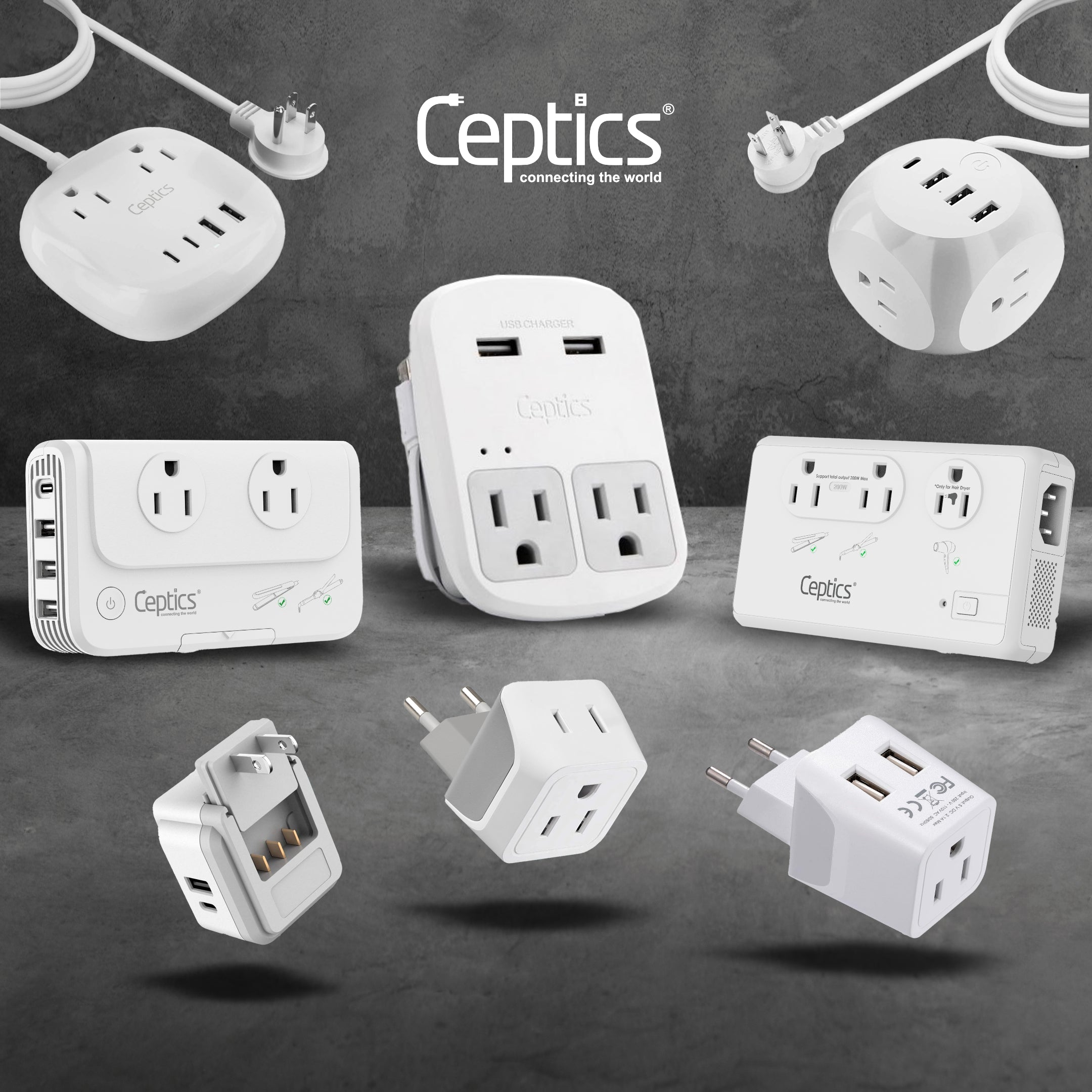
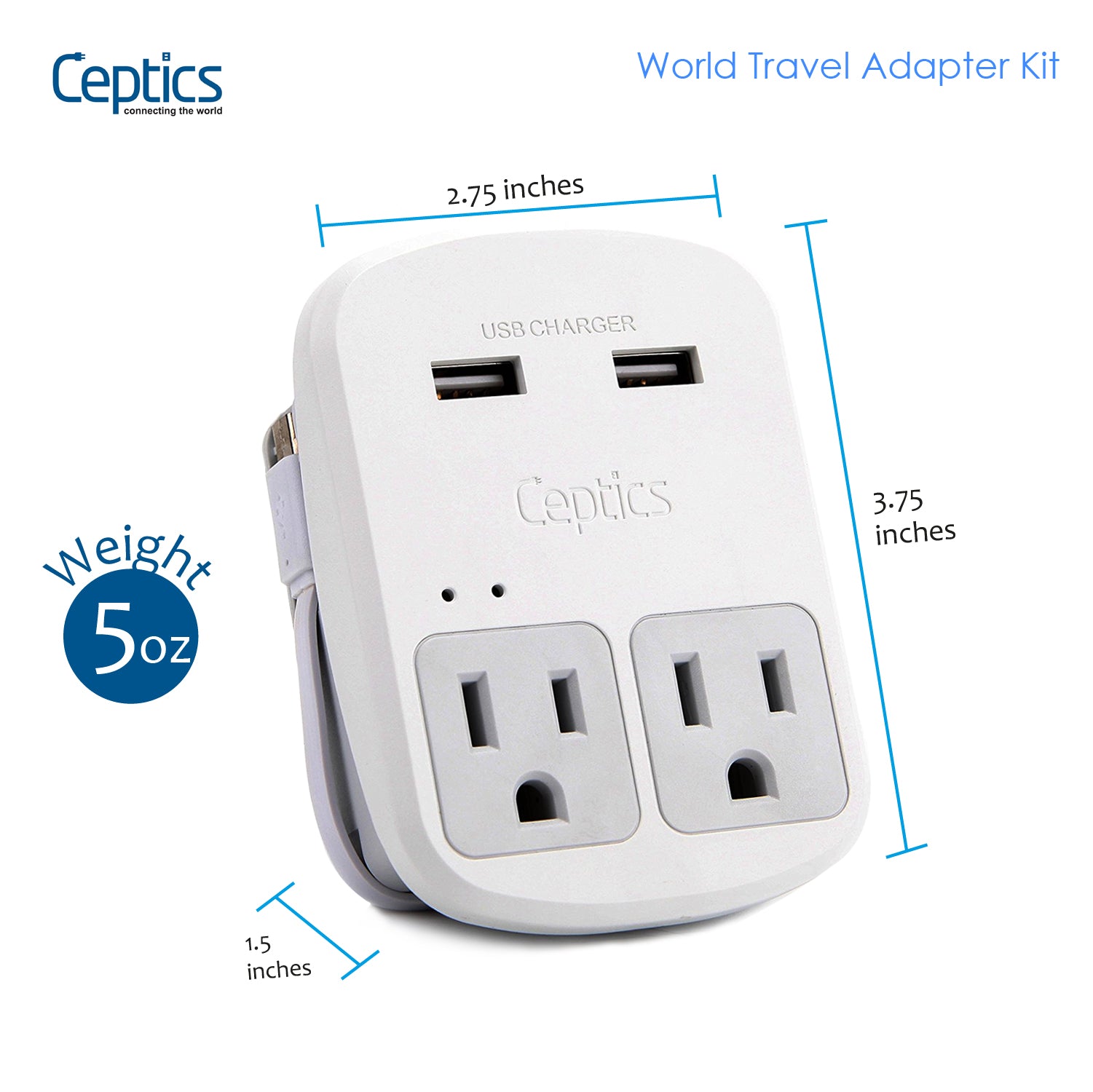
Ceptics designs tools specifically for this. A worldwide travel adapter from Ceptics supports multiple plug styles in one compact unit, reducing clutter and guesswork. Options include adapters suited for European outlets, British sockets, and more.
For destinations with different voltages, Ceptics also offers voltage converters that help protect devices designed for lower voltage systems. Together, these solutions let travelers focus on the journey instead of the outlet.
Make the World Agree With Ceptics
The world’s plug problem is rooted in history, infrastructure, and safety standards that are unlikely to change. While global unification remains impractical, reliable adapters and converters make international travel far easier. Stay connected anywhere in the world with Ceptics’ universal adapters and travel accessories.