



Best Time to Visit Thailand
Thailand’s climate is tropical and split into three distinct seasons, and the best time to visit depends on your preference.
The cool, dry season from November to February is considered the best time to visit. The weather is comfortable, humidity is low, and sightseeing is at its peak. However, expect bigger crowds and higher accommodation costs, so booking in advance is a smart move.
The hot season runs from March to May, with temperatures climbing high. While the heat can be intense inland, it’s an excellent time for beach lovers to head south. Songkran, Thailand’s famous water festival, also takes place during this period.
From June to October, the monsoon season transforms Thailand into a lush, green paradise. While rainfall can be unpredictable and some islands harder to access, this period offers lower prices and fewer tourists. Travelers should bring a rain jacket and waterproof bags to stay comfortable.
Festivals and Cultural Highlights
 Thailand’s festivals are windows into the nation’s heart. Songkran in April is one of the most joyous, where the streets turn into arenas of playful water fights mixed with traditional cleansing rituals. In November, Loi Krathong fills rivers with delicate floating offerings, while Yi Peng in Chiang Mai lights up the skies with thousands of lanterns drifting upward. These events bring together locals and visitors in shared awe, making them some of the most unforgettable experiences a traveler can have in Thailand.
Safety and Travel Tips
A few simple habits go a long way in ensuring a smooth trip. Stick to bottled water and use mosquito repellent, especially in rural areas. Street food is a highlight but choose busy stalls with high turnover for fresher meals. For transport, the Grab app is reliable, while tuk-tuks can be fun once fares are agreed upon. Avoid unlicensed taxis to stay safe.
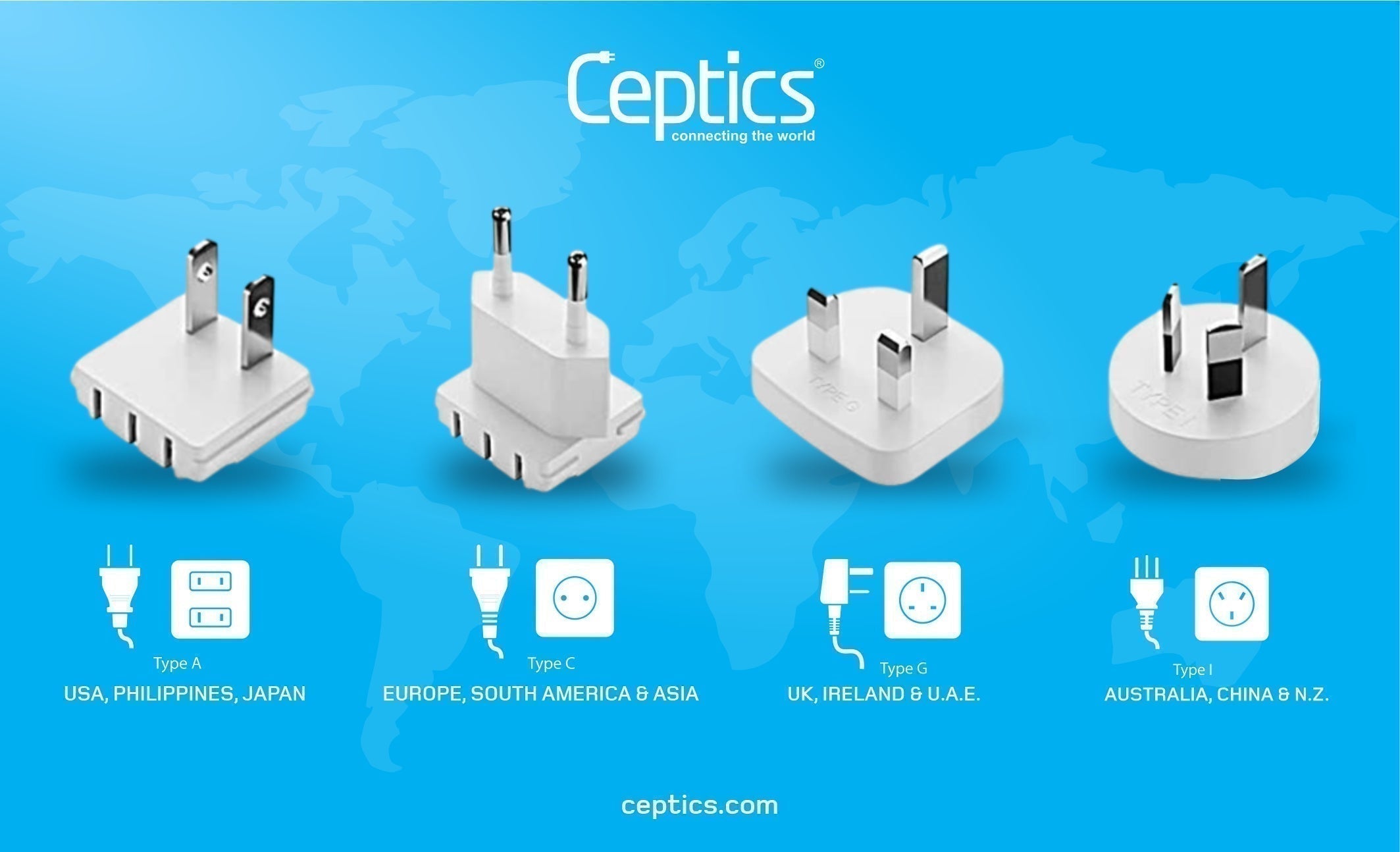
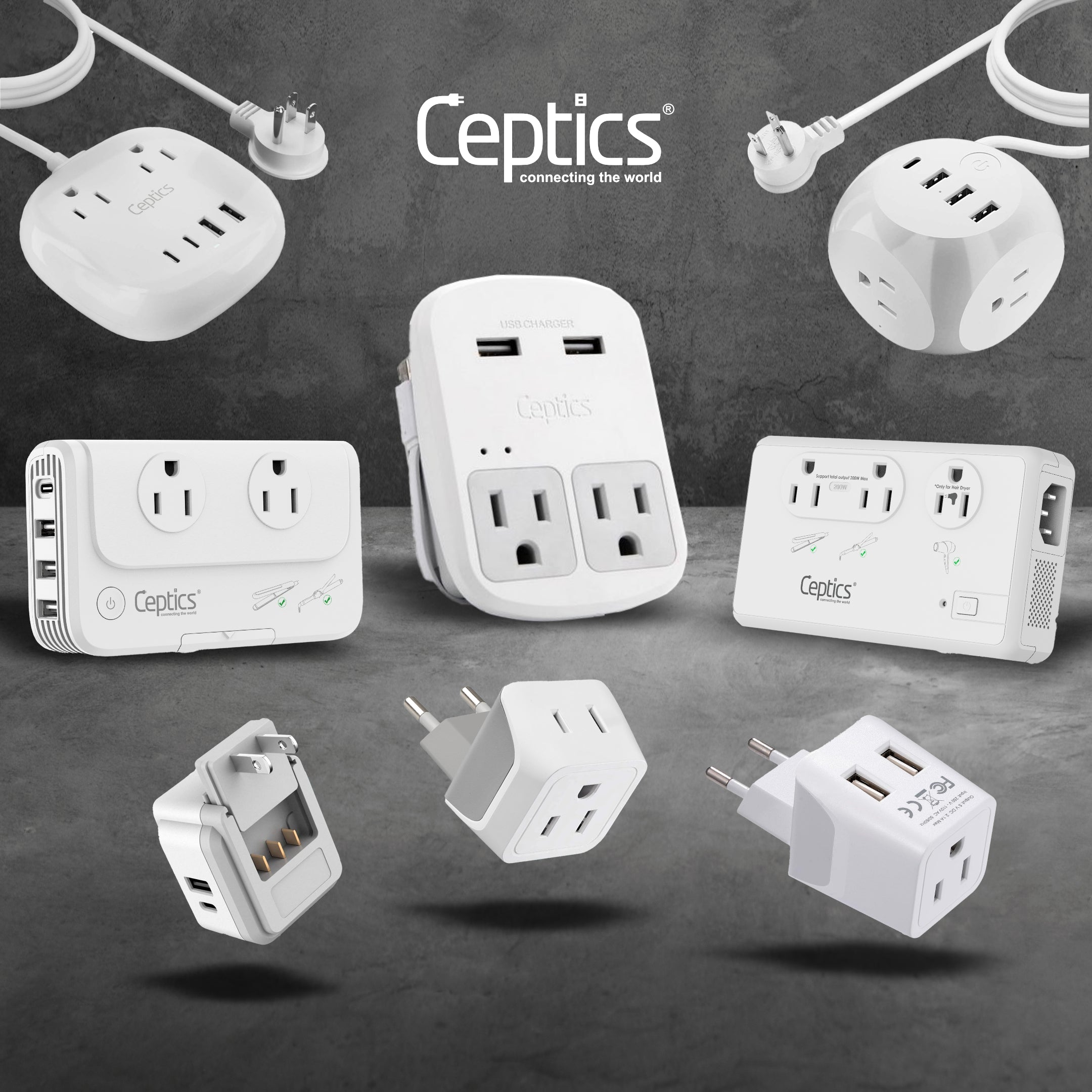
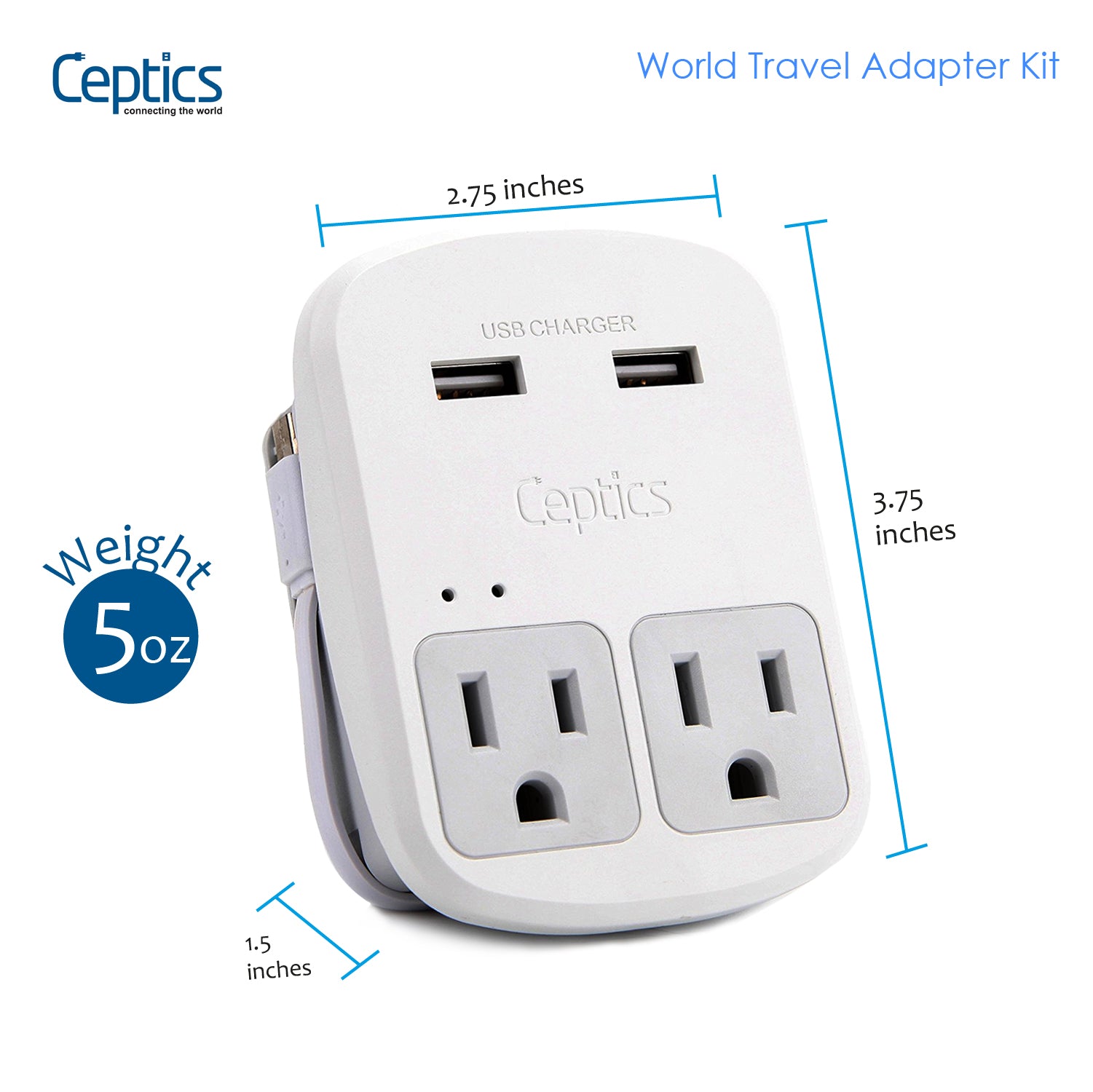
Respect plays a big role in Thai culture. Dress modestly when visiting temples, cover shoulders and knees, remove shoes before entering, and always show respect for the monarchy. For money matters, use ATMs attached to banks and be wary of deals that sound too good. Counting change carefully is also a wise habit. Electronics are another key part of travel prep. Thailand uses 220V electricity and supports plug types A, B, C, F, and O. To stay powered, travelers can rely on Ceptics solutions. The Thailand Travel Adapter is a compact and lightweight, perfect for those who simply need a trusted adapter. For added flexibility, the Adapter Plug for Thailand comes with dual USB ports, ideal for charging phones, tablets, and cameras at the same time. Remember, having the right adapter means no downtime from dead devices, ensuring every moment of the trip is captured and enjoyed.
Must-See Destinations
Bangkok is the gateway to Thailand, offering the Grand Palace, Wat Pho, bustling floating markets, and nightlife that never sleeps.
Chiang Mai provides a calmer pace with temples, mountain treks, and ethical elephant sanctuaries.
Down south, Phuket and Krabi showcase stunning beaches, diving spots, and island-hopping boat trips.
For those who prefer less-touristy experiences, Pai’s mountain scenery, Koh Tao’s diving community, and Ayutthaya’s historical ruins offer plenty of rewarding detours.
Make the Most of Your Thai Adventure
Thailand is a destination that shines year-round, though timing makes all the difference in what you experience. Preparing well, such as learning the festival dates to packing breathable clothes and the right adapter, helps you travel with confidence. With its mix of adventure, culture, and relaxation, Thailand has something for everyone.