


Japan sits high on many travelers’ wish lists, and 2026 is no exception. Only a few destinations balance ancient traditions and innovative technology as seamlessly as Japan. One moment you’re walking through a quiet temple, the next you’re navigating a neon-lit train station that runs with near-perfect precision.
A successful visit comes down to preparation. Understanding local customs and sorting out your charging needs with the right Ceptics adapter will help your trip feel smooth rather than overwhelming. These Japan vacation tips cover the basics every first-time visitor should know.
Entry Requirements and Travel Documents
Most travelers need a passport valid for the duration of their stay, and some nationalities must apply for a Japan e-visa before arrival. Entry procedures are efficient, but expect to complete customs and immigration forms, often digitally.
Keep digital copies of your travel documents on your phone. Travel insurance is also worth considering, particularly those with medical and trip coverage, as these can quickly affect your trip to Japan’s costs if plans change unexpectedly.
Understanding Japan’s Culture and Etiquette
Respect plays a major role in everyday life. Quiet behavior on public transport, orderly queues, and careful attention to shared spaces are the norm. Tipping is not customary and can even cause confusion, as service charges are built into prices.
Dining etiquette matters too. Saying “itadakimasu” before meals and “gochisousama” after is appreciated. Shoes often come off indoors, including in some restaurants and accommodations. These small gestures go a long way.
Best Time to Visit Japan

Timing affects your experience significantly. Many travelers plan around cherry blossom season in Japan, which usually falls between late March and early April depending on the region. Parks and riversides fill with locals enjoying hanami picnics.
Autumn offers another standout window with cooler temperatures and colorful foliage. Summer brings festivals but also heat and humidity, while winter suits travelers who enjoy quieter cities and snow in northern regions. When deciding the best time to visit Japan, consider crowds, weather, and seasonal events together rather than focusing on one factor alone.
Getting Around Japan Efficiently
Japan’s transport system is legendary for a reason, and it’s easily one of the most reliable ways to get around. If you're planning to cover a lot of ground, the Japan Rail Pass is still a go-to for long-distance travel, while the local trains and subways handle city travel efficiently.
IC cards such as Suica or Pasmo also make daily commuting easier, allowing tap-and-go access across buses and trains. Major cities are well-signposted in English, though rural areas may not. Walking plays a big role, so expect to log plenty of steps each day.
Money, Payments, and Budget Tips
Japan relies heavily on cash, particularly in smaller shops and restaurants. ATMs inside convenience stores are widely available and accept international cards. Credit cards are more common than before, but having yen on hand is great.
Food costs vary widely depending on where you’re eating, while transport and attractions are generally well priced, but budgeting ahead is still the best way to go.
Staying Connected and Powered in Japan

Japan uses Type A and Type B outlets and runs on 100V electricity. Travelers from other regions often need a travel adapter for Japan, especially if their devices use different plug shapes.
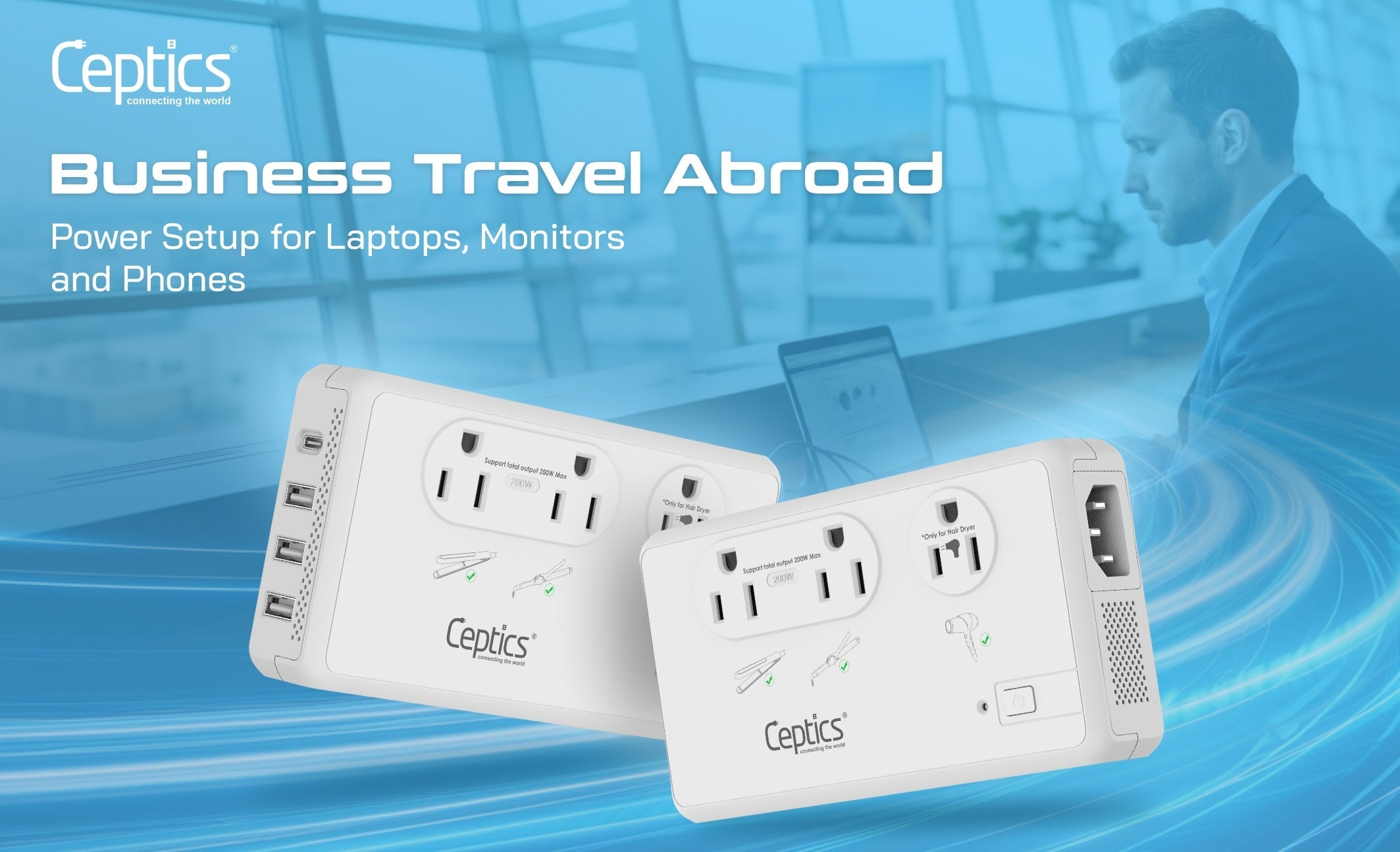
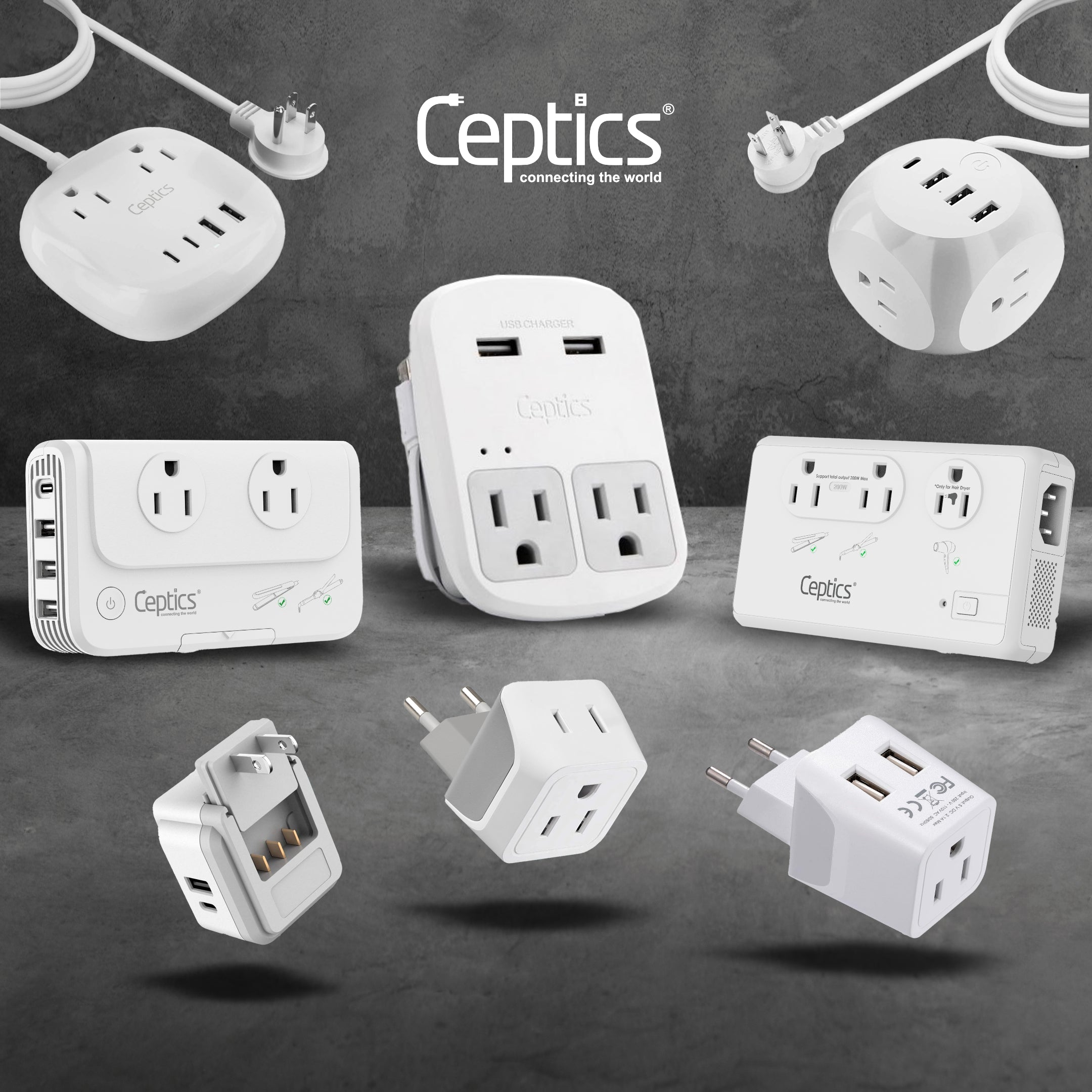
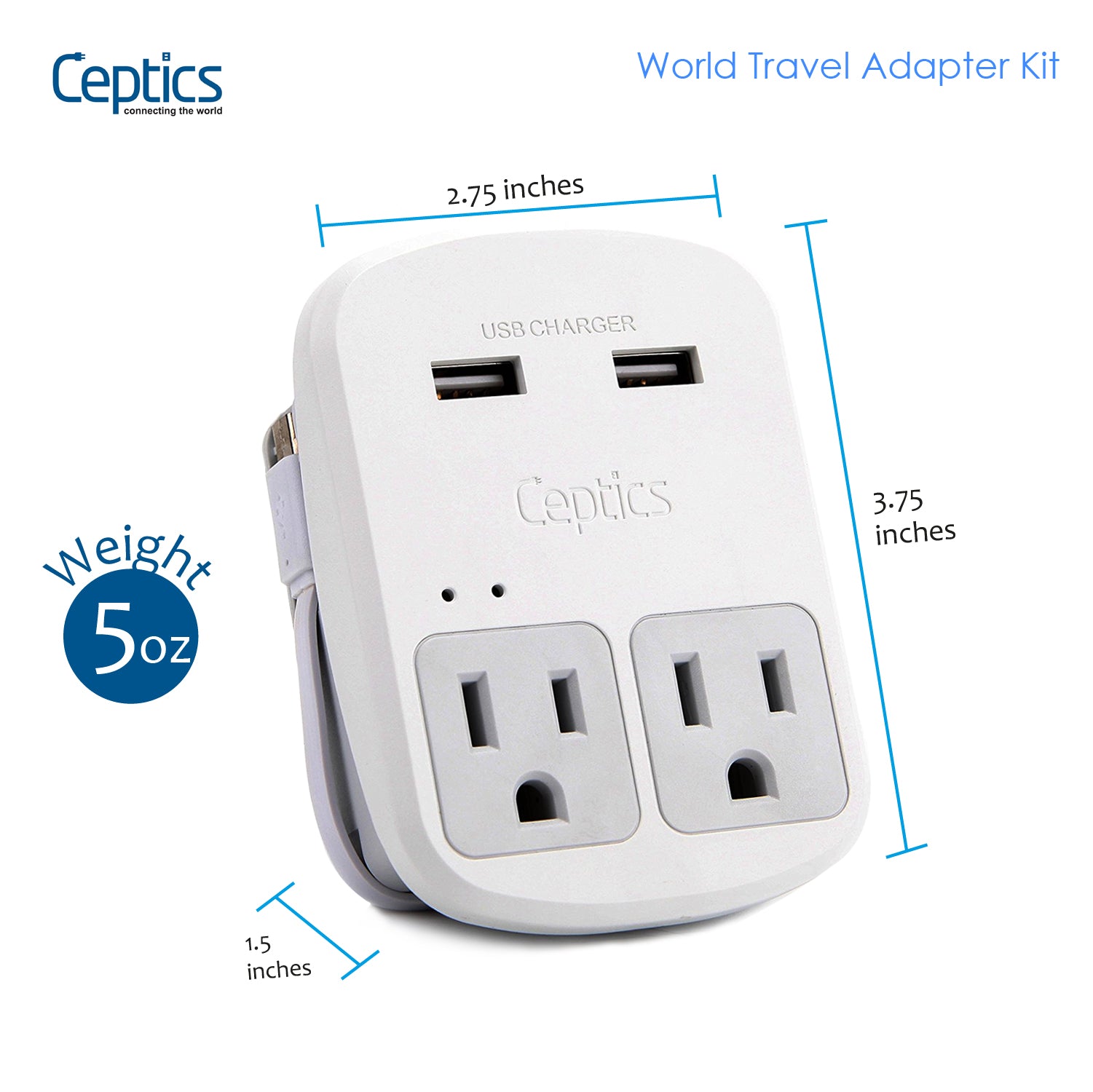
A Japan travel plug adapter ensures your chargers fit local outlets, while a voltage converter for Japan may be necessary for high-powered devices that aren’t dual-voltage. Ceptics travel adapters offer a practical solution for charging phones, cameras, and laptops safely throughout your stay.
Packing Tips for Japan Travel
A thoughtful packing list for Japan makes your travel easier. Be sure to match your clothing choices to the season. And again, expect a lot of walking so wear comfortable shoes.
Japan travel essentials also include compact chargers, power banks, and reliable adapters. Packing light but efficiently also helps when navigating stations, stairs, and hotel rooms that may be smaller than expected.
Safety, Health, and Emergency Information
Japan consistently ranks as one of the safest countries for travelers. Streets are clean, crime rates are low, and public services run efficiently.
Emergency services can be reached by dialing 110 for police and 119 for fire or ambulance. Pharmacies are available, though bringing your regular medications is advised.
Travel to Japan Seamlessly with Ceptics
Japan rewards visitors who arrive informed and prepared. Understanding cultural norms, travel logistics, and power requirements keeps small issues from becoming distractions.
With the right planning and reliable gear, exploring Japan in 2026 becomes less about problem-solving and more about discovery. Travel confidently through Japan with Ceptics adapters and travel essentials.