



Traveling with electronics sounds simple until you’re standing at airport security wondering if your power bank is about to get confiscated. Rules around chargers, batteries, and adapters have become stricter over the years, but a lot of travelers still aren’t fully sure what’s allowed and what isn’t.
Questions like can you take chargers on a plane or can I bring a power bank on a plane come up constantly, especially for international trips where people are carrying more devices than usual.
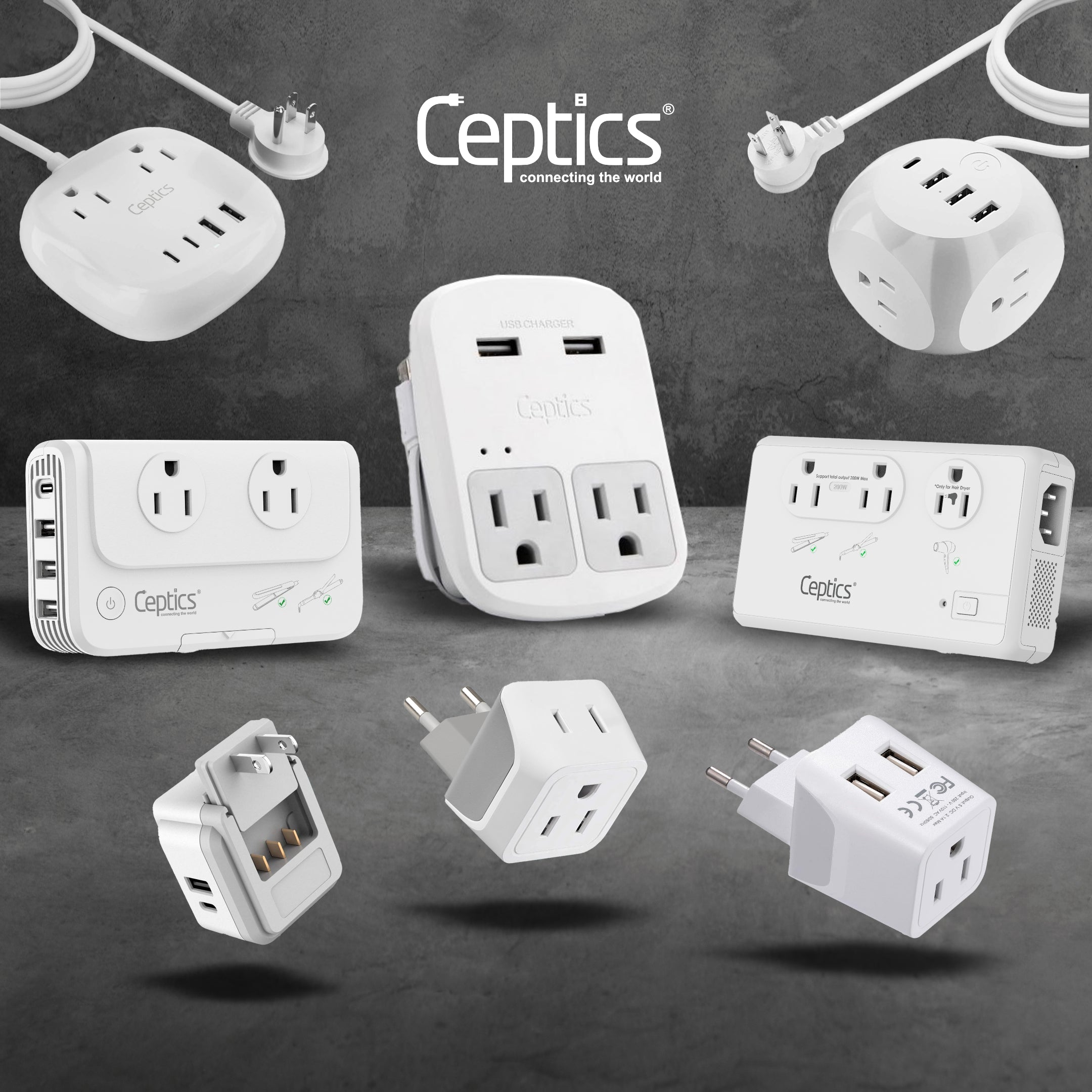
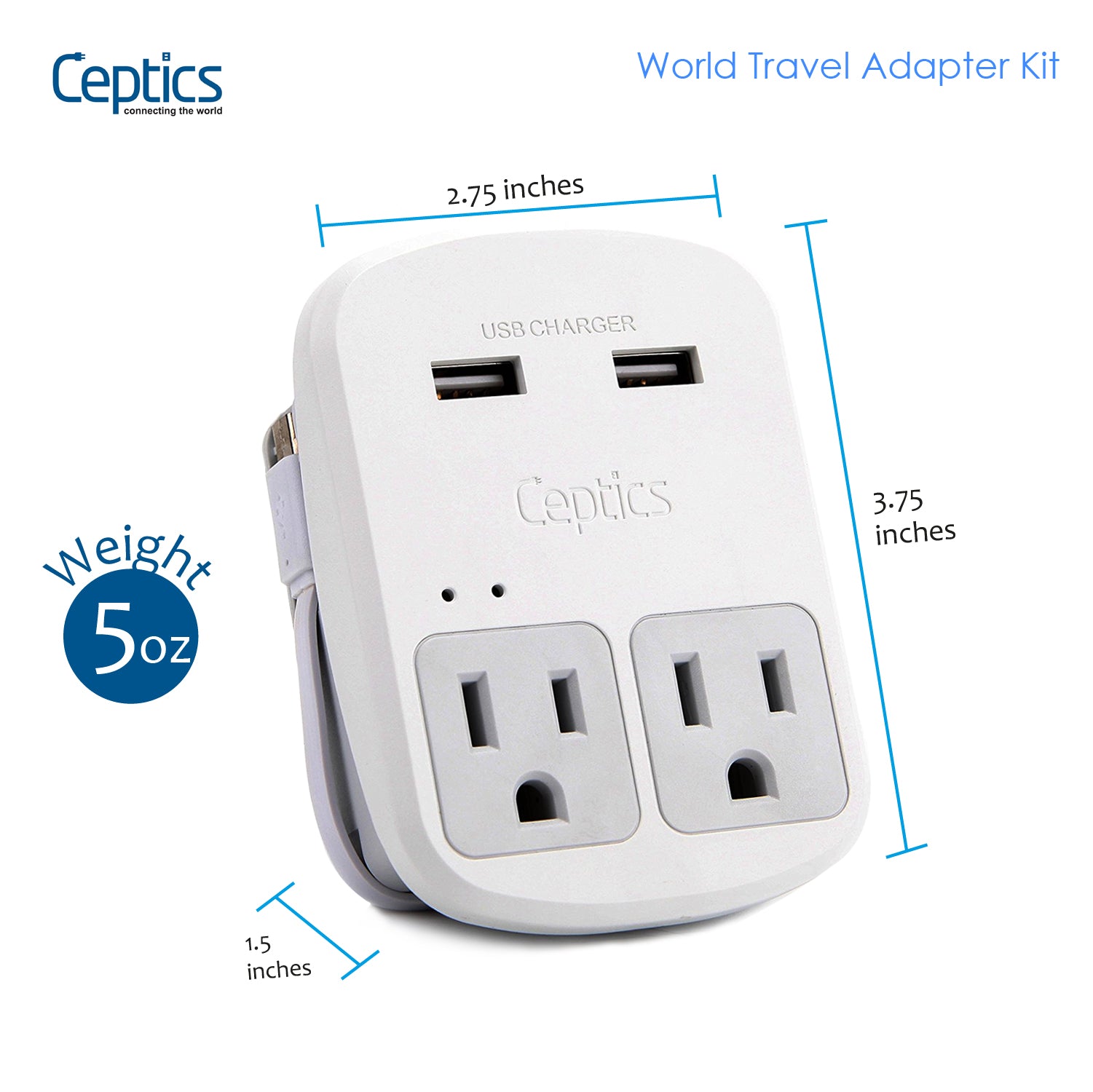
Most of the confusion comes from battery limits and airline safety rules. That’s why compact travel gear, like Ceptics adapters and power accessories, tends to make airport travel a little less stressful.
Are Chargers Allowed on Flights?
Regular wall chargers and charging cables are usually allowed on flights without much issue. If you’ve ever asked are phone chargers allowed on planes, the answer is generally yes.
Most travelers keep chargers in their carry-on bags simply because they’re easier to access during layovers or long flights. They can also go in checked luggage, although it’s usually safer to keep smaller electronics with you.
It also helps to pack cables properly. Tangled chargers shoved into bags tend to wear out faster than people expect.
Power Bank Rules You Should Know

Power banks are where airline rules become stricter. If you’re wondering are portable chargers allowed on airplanes, they usually are, but there are conditions.
Most airlines require power banks to stay in your carry-on luggage because lithium batteries can become a fire risk if damaged. Checked baggage rules are much tighter for that reason.
Capacity also matters. Airline policies are usually based on watt-hours, and larger batteries may require airline approval before boarding. That’s why checking airline power bank rules before a trip is always worth doing, especially if you’re carrying multiple battery packs.
Understanding Watt-Hours and Battery Limits
A lot of travelers see watt-hour limits listed by airlines and immediately have no idea what they mean.
If you wondering how to calculate battery watt hours, the formula is usually:
mAh × Voltage ÷ 1000 = Wh.
Most airlines allow batteries under 100Wh without approval. Devices between 100Wh and 160Wh often need airline permission first. Anything higher may not be allowed at all.
That’s usually where travelers run into trouble at security, especially with oversized power banks that don’t clearly list battery capacity.
Are Travel Adapters Allowed on Planes?
Travel adapters are usually fine to bring on flights since they don’t contain large batteries on their own. A universal plug in adapter can go in either checked or carry-on luggage without much concern.
Adapters are also different from powered devices. They mainly change plug compatibility rather than store energy.
Compact travel adapters tend to work better anyway since they take up less space and are easier to organize during trips.
Voltage Converters and Airline Considerations
Converters are a little different because they’re heavier and sometimes bulkier than regular adapters. A travel voltage converter or step down voltage converter may also attract extra attention during security screening simply because of the internal components.
That doesn’t mean they aren’t allowed. It just helps to pack them neatly and keep them accessible if security needs a closer look.
A voltage converter 220V to 110V setup also makes more sense for devices that aren’t dual voltage, especially older electronics or styling tools.
Tips for Packing Power Accessories for Air Travel

Power accessories get messy surprisingly fast during travel. One cable turns into six before you realize it.
Small organizers or zip cases help keep chargers, adapters, and power banks from getting tangled together at the bottom of your bag. It also lowers the chance of cables getting bent or damaged.
Protective cases are useful for batteries too, especially during long trips where things get thrown around inside luggage constantly. A little organization goes a long way once you’re moving between airports.
Why Choosing the Right Travel Power Gear Matters
The wrong setup can slow you down pretty quickly during travel. A missing adapter or oversized battery is the kind of thing people usually discover at the worst possible moment.
Reliable power gear helps avoid delays at security and keeps devices working safely once you arrive. That’s especially important during international trips where outlet types and voltage standards change between countries.
Ceptics products are designed around that kind of travel, keeping charging setups simpler without adding unnecessary bulk.
Move Through Airlines Safely with Ceptics
Travel rules around chargers and batteries aren’t complicated once you understand the basics, but they’re still easy to overlook while packing.
Checking airline battery limits, bringing the right adapters, and planning ahead can save a lot of stress later on. Travel smart with Ceptics adapters and power solutions designed for global journeys.